
Manufactured in Taiwan
Review manufacturing location and project sourcing requirements
Material documentation
Agree on required documents and formats
Tooling resources
Assess existing tooling and development costs
Expanding applications call for well-planned component sourcing
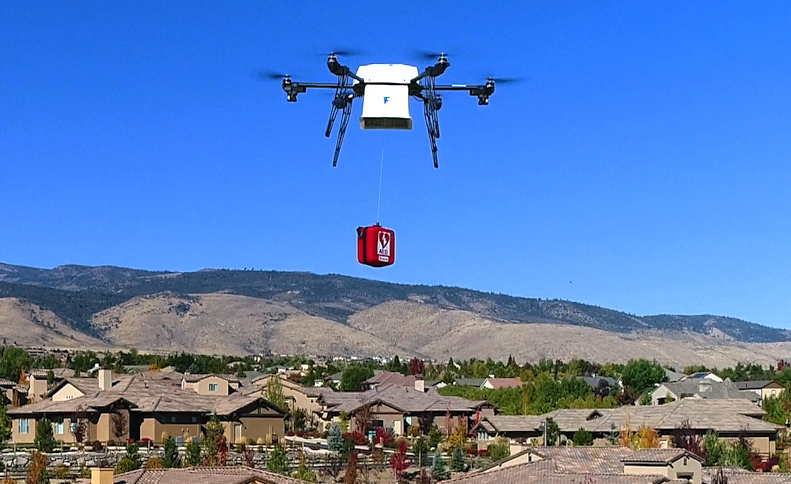
Drone applications are expanding into logistics, agriculture and public safety. For drone manufacturers and system integrators, turning a design into a product requires coordination of component manufacturing, sourcing, documentation and delivery. Shi Pin contributes metal tube processing and process coordination to component-development discussions, helping engineering requirements and procurement terms align early in a project.
Manufacturing experience to support component development
Shi Pin has experience manufacturing drone-related components and can discuss manufacturing conditions, material documentation and sourcing requirements with business customers. Tube dimensions, processing methods, required documents and delivery terms can be reviewed during consultation, giving engineering and procurement teams a shared basis for evaluation.

Taiwan manufacturing and material documentation support sourcing reviews
Shi Pin carries out the relevant manufacturing work in Taiwan and can provide material documentation to support procurement review. Projects with specified sourcing or origin requirements should identify the applicable purchasing conditions, required material documents and document formats at the quotation stage. Material origin and manufacturing location can then be reviewed against the project requirements before pricing and production arrangements are confirmed.
Make the component fit the product design
Standard components can be suitable when their dimensions and layout match the design. Projects with specific bend shapes, installation positions or end-interface requirements may benefit from components made to drawings. Shi Pin can discuss tube dimensions, bend angles and related processing with engineering teams, aligning component manufacturing with the overall design while confirming documentation and delivery needs. This project-specific flexibility is a practical benefit of local manufacturing collaboration.
Existing tooling offers options for development-cost planning
More than four decades of manufacturing have given Shi Pin an extensive tooling base. For some components, dimensions, bending requirements and mating conditions may allow existing tooling or an alternative tool to be used, reducing the need for new tooling and associated development costs. Drawings or samples can be reviewed early to assess tooling suitability and process planning. Reuse is confirmed against the requirements of each component.
Discuss drone components from drawings through to delivery
Drone manufacturers, system integrators and procurement teams are welcome to share tube-component drawings, samples or reference photographs, along with the application, material, quantity, schedule and documentation requirements. Starting with CNC tube bending, cutting and related operations, Shi Pin can discuss downstream process coordination, tooling options and delivery arrangements for each project. Requirements that are still being developed can be discussed during the consultation.
Industry context: Executive Yuan: drone industry and applications